On this page
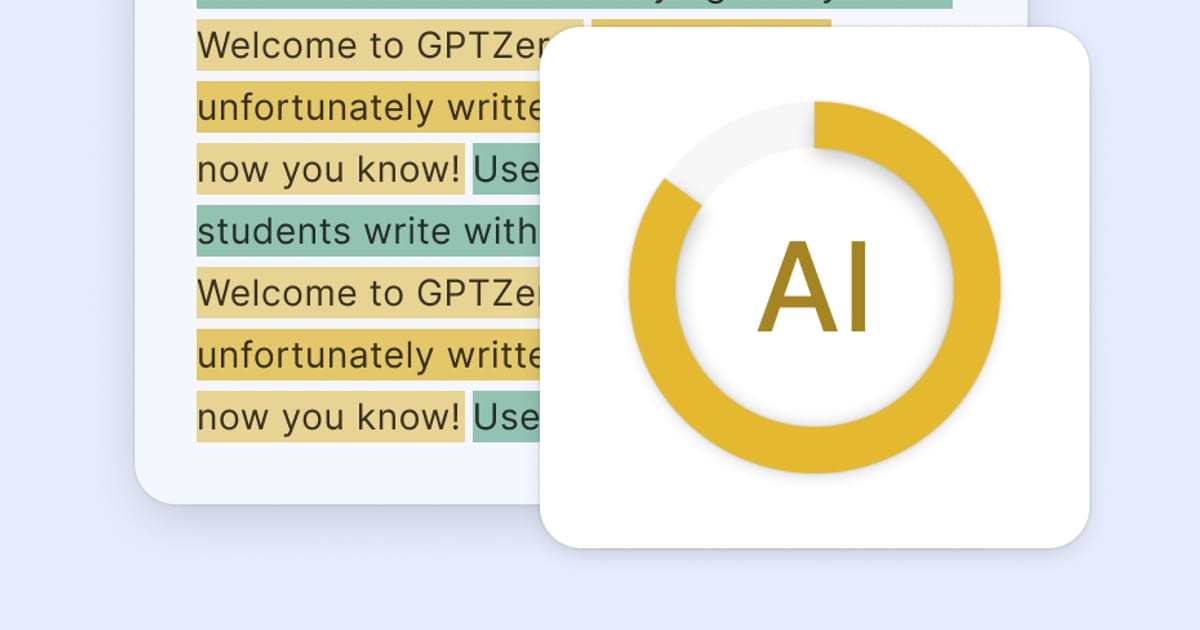
Turnitin has been the default plagiarism checker in higher education for over two decades, and in April 2023 it switched on AI writing detection for its 16,000+ institutional customers — making it the AI detector most students are actually judged by. The feature lives inside the same Similarity Report instructors already use, adding a percentage estimate of how much of a submission is likely AI-generated, with sentence-level highlighting.
Unlike standalone detectors such as GPTZero or Copyleaks, Turnitin isn’t something teachers seek out; it arrives through existing integrations with Canvas, Blackboard, Moodle, and Brightspace, so detection happens automatically at submission. Turnitin claims high document-level accuracy with a low false positive rate, and has since extended the model to flag AI-paraphrased text — content run through tools like Quillbot to disguise chatbot output.
The feature is also controversial. Independent testing and high-profile cases showed non-native English writers and formulaic academic prose can trigger false flags, and Vanderbilt University publicly disabled the detector in 2023 over reliability concerns. Turnitin’s own guidance now stresses the score is a signal for a conversation with the student, not verdict-grade evidence — an important nuance many syllabi ignore.
Key Features
- AI writing probability score integrated into the standard Similarity Report
- Sentence-level highlighting of passages judged likely AI-generated
- Detection of AI-paraphrased text, not just verbatim chatbot output
- Plagiarism matching against student paper archives, web pages, and academic journals
- Native LMS integration: Canvas, Blackboard, Moodle, Brightspace, Schoology
- Feedback Studio tools — inline comments, rubrics, and QuickMarks for grading
- Scores visible to instructors only, not to submitting students
Pricing
- Institutional licensing only: Priced per enrolled student per year, negotiated with schools and universities. There is no individual or self-serve plan — students cannot pre-check their own work against it.
Best For
Universities, colleges, and K-12 districts that already run Turnitin for plagiarism and want AI screening in the same workflow, plus academic integrity offices that need consistent, institution-wide reporting rather than teachers pasting essays into random free detectors.
Limitations
No AI detector is reliable enough to convict on its own, and Turnitin is no exception — false positives disproportionately hit non-native English speakers, and determined students evade it with heavy editing. Institutions that treat the percentage as proof rather than a prompt for dialogue create real harm; some, like Vanderbilt, opted out entirely.