On this page
Semantic Scholar is a free academic search engine built by the Allen Institute for AI (AI2), the nonprofit research lab founded by the late Paul Allen. It indexes more than 200 million papers across the sciences and uses AI to make them easier to triage: automatically generated TLDR one-sentence summaries, extracted key figures, and citation context that shows why and how a paper was cited rather than just how often.
Its distinguishing move versus Google Scholar is openness and structure. Semantic Scholar publishes an open Academic Graph and a free API, which power a large ecosystem of research tools, reference managers, and apps. It also flags “Highly Influential Citations” to help you spot the references that genuinely shaped a paper. For AI-native literature workflows it sits alongside tools like Elicit and Consensus, though those lean more on question-answering while Semantic Scholar is fundamentally a search-and-discovery layer.
Key Features
- Search across 200M+ papers in all scientific fields
- AI-generated TLDR summaries for quick screening
- Citation context and Highly Influential Citations
- Personalised research feeds and paper recommendations
- Free public API and open datasets (Academic Graph)
- Author pages, saved libraries, and alerts
Pricing
- Free: Entirely free to use, with no paywalls; basic search needs no account. The API is free for research and non-commercial use, with rate limits and higher access available on request.
Best For
Researchers, graduate students, and developers who want a free, well-structured way to search and screen scientific literature — particularly strong in computer science and biomedical fields — and teams that need an open API to build on.
Limitations
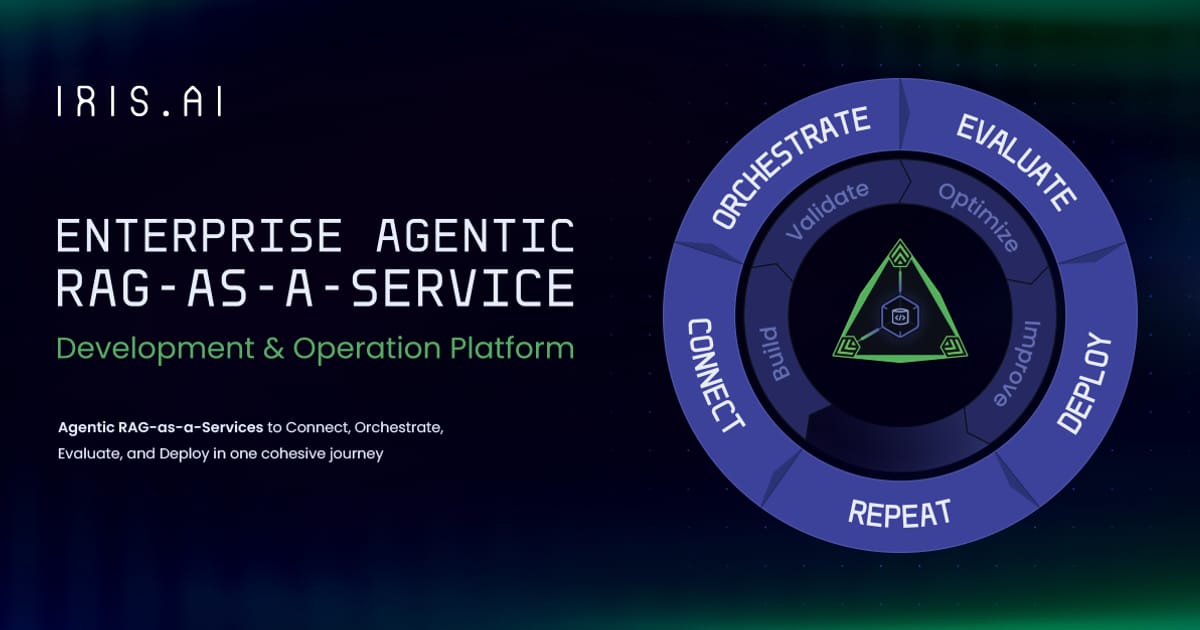
Coverage and metadata quality are strongest in the sciences and thinner in the humanities, and you will occasionally hit duplicate records or missing details. As a discovery tool it offers fewer guided workflows than Elicit or Iris.ai, so heavy synthesis work may need a second, more purpose-built tool.