On this page
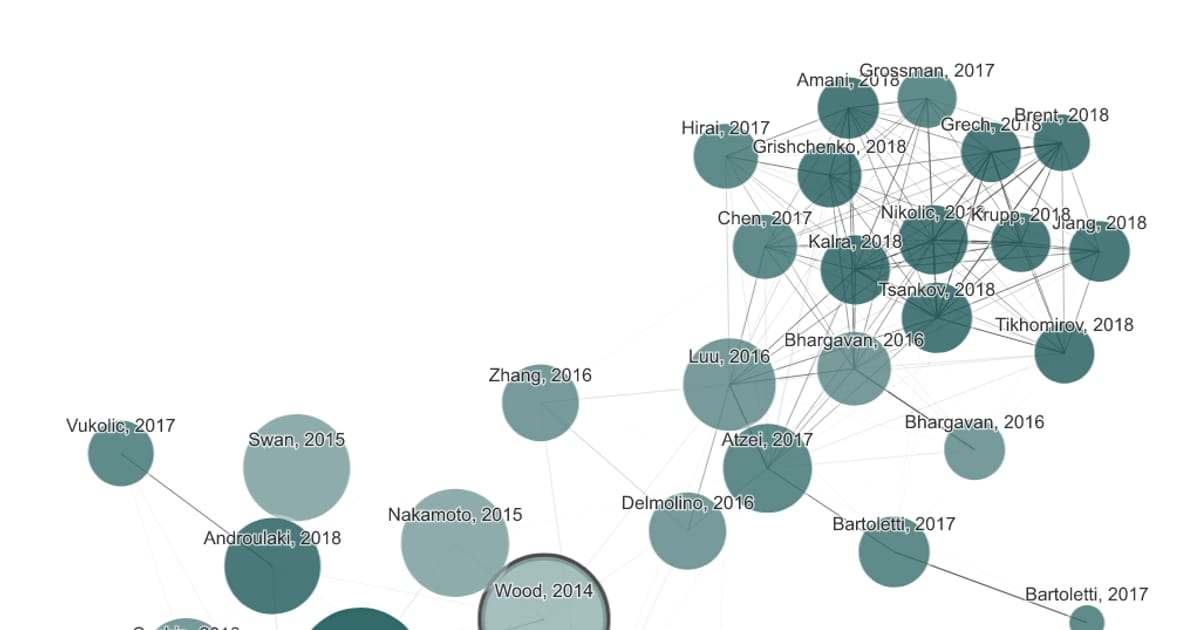
Connected Papers is a research-discovery tool that turns literature review into a visual map. You enter one paper you already know (the seed), and it generates a graph of the most relevant related work, positioning and clustering papers by similarity. Rather than following one citation at a time, you see a field’s landscape at a glance — which papers are central, which cluster together, and where the gaps are.
The similarity it uses isn’t simple direct citation; it’s based on co-citation and bibliographic coupling, so two papers can appear closely linked even if neither cites the other, as long as they share references or are cited together. Built on the Semantic Scholar corpus, it complements citation-context tools like Scite and discovery engines like Semantic Scholar itself. Its Prior Works and Derivative Works views help trace a topic backward to its foundations or forward to recent developments.
Key Features
- Visual similarity graph generated from a single seed paper
- Clustering by co-citation and bibliographic coupling
- Prior Works and Derivative Works views for a topic’s timeline
- Inline titles, abstracts, and links to sources
- Export to reference managers like Zotero and Mendeley
- Browser access with no login required to start
Pricing
- Free: A limited number of graphs per month (around five)
- Academic: A few dollars/month for unlimited graphs and faster generation
- Team / Business: Higher-tier plans for groups and heavier use
Best For
Researchers, PhD students, and anyone starting a literature review who wants to map an unfamiliar field quickly, find seminal and related papers, and avoid manually chasing every reference.
Limitations
Connected Papers is a discovery aid, not a full reference manager or reading tool — you still read and organize papers elsewhere. Graph quality depends on the seed paper you choose and on coverage in the underlying Semantic Scholar data, so niche or very new topics can produce sparse maps. The free tier’s monthly graph limit is easy to hit during an active review.