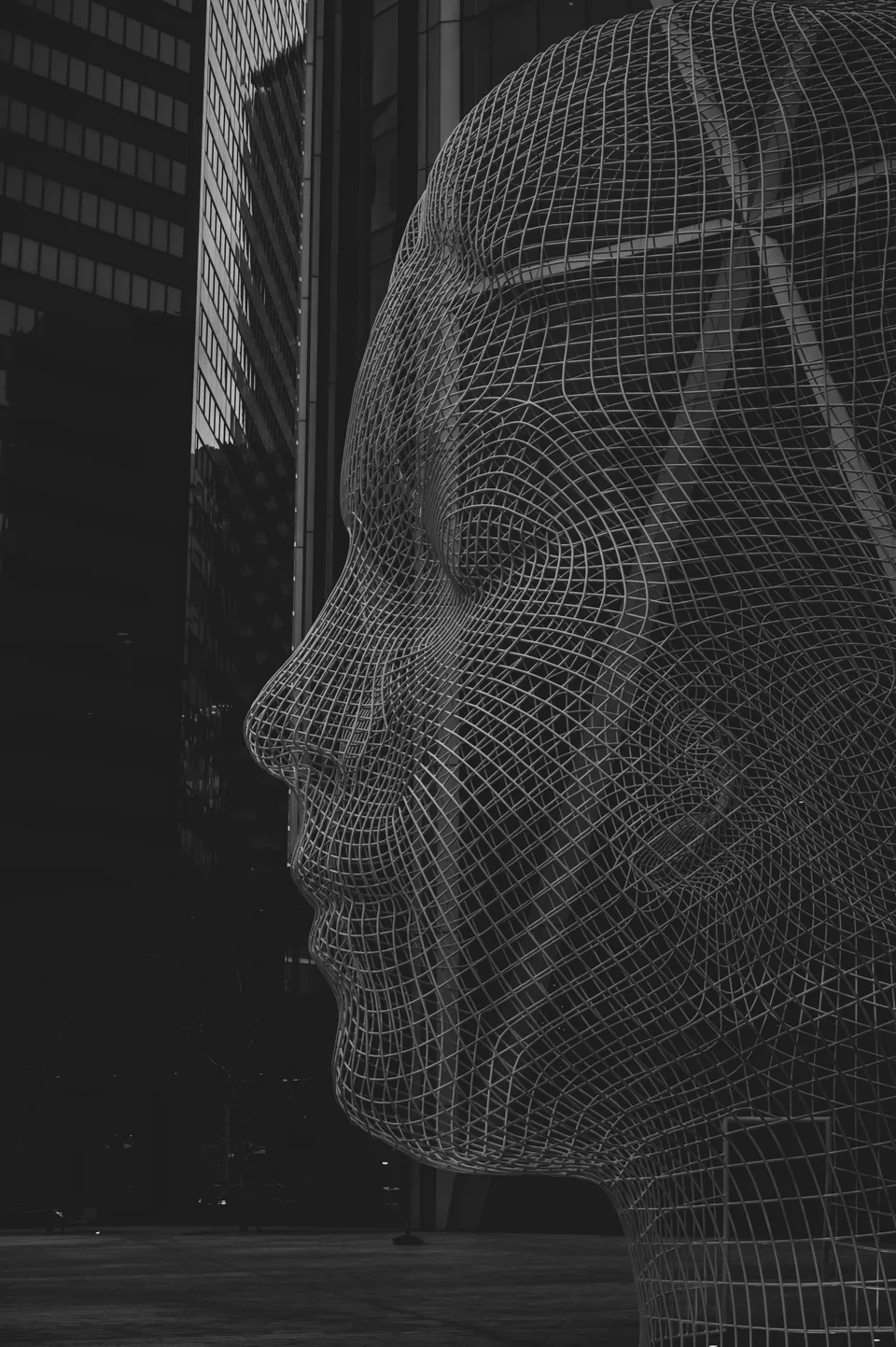
Your face is being analyzed right now.
Not metaphorically. If you’ve done a video job interview, used a mental health app, called a customer service line, or driven a modern car with driver monitoring — there’s a good chance an AI system scanned your expressions, voice, and body language and made a judgment about your emotional state.
It didn’t ask permission. It didn’t tell you. And it may have influenced a decision that affected your life.
This is emotion AI — one of the fastest-growing, least-understood, and most controversial applications of artificial intelligence. It’s already worth $50 billion. It’s used by employers, banks, governments, and your smartphone. And the scientists who study it say it may be built on a fundamentally flawed premise.
Here’s everything you need to know.
What Is Emotion AI?
Emotion AI — also called affective computing — is technology that attempts to detect, interpret, and respond to human emotions using sensors, cameras, and algorithms.
The idea sounds sci-fi. The reality is mundane and already everywhere.
Your car’s driver monitoring system watches your eyes and head movements to detect drowsiness. Your video interview is scored by software that tracks your facial expressions and vocal tone. The customer service chatbot that offers you a discount when you sound frustrated? It detected your frustration. The ad that changed after you watched it without smiling? It noticed.
The technology works by analyzing signals across multiple channels:
- Facial expressions — mapping muscle movements across your face to classify emotional states
- Voice analysis — detecting pitch, tempo, pauses, and tremors in your speech
- Language — analyzing word choice and sentence structure in what you write or say
- Physiological signals — measuring heart rate, skin conductance, breathing patterns (in healthcare and wearable contexts)
The field was pioneered in the 1990s by MIT professor Rosalind Picard, who coined the term “affective computing.” The core insight was that if emotions influence behavior, then understanding emotions could help machines respond better to humans. That was a legitimate research goal.
What followed was something different: a multi-billion-dollar industry built on the claim that machines can reliably read your emotions from your face — a claim scientists have been debating for a century.
How Big Is This Industry?
The numbers are staggering.
The emotion AI market was valued at approximately $50 billion in 2024 and is projected to reach $173 billion by 2031 — a near-tripling in seven years. The market is growing at 22-30% per year, making it one of the fastest-growing sectors in AI.
Major technology companies are all in. Amazon Rekognition offers facial expression analysis as a cloud API. Microsoft Azure provides emotion detection services for enterprise customers. Google Cloud Vision analyzes facial expressions from images. Apple uses emotion detection in consumer applications. A wave of specialized companies — Affectiva, Kairos, Realeyes, Cognitec — sell emotion analysis as their core product.
This is not a niche research area. It is a commercial industry embedded in systems that affect hiring, healthcare, education, marketing, law enforcement, and daily life.
Where Emotion AI Is Already Being Used
Hiring and Job Interviews
This is where the stakes are highest and the controversy most intense.
Companies like HireVue analyze video interviews using AI that tracks facial expressions, vocal tone, and word choice to generate scores on attributes like “cognitive ability,” “emotional intelligence,” and “social aptitude.” The company has processed over 70 million interviews.
In July 2024, CVS Health privately settled a lawsuit after a job applicant claimed the company used HireVue’s AI — powered by Affectiva’s technology — to track facial expressions like smiles and assign candidates an “employability score.” The applicant argued this violated Massachusetts law.
In March 2025, the ACLU filed a discrimination complaint against Intuit and HireVue, alleging the system discriminated against deaf and non-White individuals. The complaint argued that vocal analysis systems penalize speech patterns common among deaf people, and that facial expression training data skewed toward certain demographics.
HireVue itself discontinued its facial expression analysis feature in 2021 following public backlash — then faced legal action anyway over residual practices. A 2024 court ruling largely denied HireVue’s motion to dismiss a biometric privacy class action, allowing the case to proceed.
If you’ve done a video interview recently, AI may have judged you based on signals you weren’t aware it was reading.
Customer Service
A European bank deployed emotion AI in its call centers to analyze customers’ behavioral signals — voice patterns, word choice, emotional cues — in real time. Agents receive alerts about customer emotional states so they can adjust their approach.
Skyscanner used emotion AI to analyze user selfies: if you looked “sad,” the app would suggest a “fun” travel destination. When you express frustration during an online checkout, emotion-aware systems escalate your case or offer discounts — automatically, in milliseconds, without a human noticing your frustration.
This is customer service optimization built on continuous emotional surveillance.
Healthcare
The American Heart Association partnered with NuraLogix to develop an app that detects blood pressure from a two-minute face video. No cuff, no sensor — just your camera and emotion AI analyzing subtle changes in blood flow visible in your facial skin.
Emotion AI is also being tested for detecting signs of depression, anxiety, autism, and dementia through facial expression and speech analysis. A person with Parkinson’s disease, for example, may show reduced facial expression that AI could detect earlier than a clinical exam.
These applications are genuinely promising. They are also being developed by the same industry deploying emotion AI in hiring — with uneven quality controls.
Cars
Modern vehicle driver monitoring systems continuously analyze your face while you drive. They detect drowsiness (drooping eyelids, head movements), distraction (gaze direction), and emotional state (aggressive expressions correlated with risky driving). Your car is reading your emotions.
Education
Schools in China, the US, and Europe have deployed “attention monitoring” systems that analyze students’ facial expressions to assess engagement and attentiveness. Cameras scan classrooms and flag students who appear bored, confused, or distracted.
These systems were piloted extensively during remote learning. Several have been quietly discontinued after public outcry — but not all.
Mental Health Apps
AI-powered therapy apps analyze your voice, facial expressions, and language patterns to assess your emotional state and provide support. The adoption is enormous: a majority of ChatGPT’s 700 million weekly users use it for emotional support.
The problems here are severe. Brown University researchers found in 2025 that AI chatbots systematically violate mental health ethics standards. In 20% of cases, AI gave clinically inappropriate responses to users in crisis — versus 7% for licensed therapists.
Real consequences have followed. Legal proceedings involve a 14-year-old who died by suicide after sharing self-harm urges with an AI chatbot that validated them. Parents filed lawsuits against Character.AI after their teenage children’s chatbots claimed to be licensed therapists. A UCSF psychiatrist treated 12 patients in 2025 showing psychosis-like symptoms tied to extended AI chatbot use.
AI tools — including the most popular chatbots — are not equipped to handle genuine mental health crises, regardless of how empathetic they sound.
The Science Problem Nobody Wants to Talk About
Here is the fundamental question that emotion AI has never fully answered: do facial expressions reliably reveal internal emotional states?
The answer, according to a growing body of peer-reviewed research, is: not as reliably as the industry assumes.
The Universality Assumption Is Contested
Emotion AI is largely built on the idea that emotions produce universal, consistent facial expressions across all humans — that everyone smiles when happy, frowns when sad, widens their eyes when afraid. This idea, called the “universality hypothesis,” traces back to Darwin and was popularized by psychologist Paul Ekman.
But scientists have been debating whether this is actually true for at least 100 years, and the debate has intensified. A major systematic review found that cultural, contextual, and individual factors significantly shape how emotions are expressed facially — and that the same expression can mean very different things in different contexts.
A smile during a difficult conversation might be nervousness, not happiness. A frown while reading might be concentration, not anger. An expressionless face might be a cultural norm, not emotional absence.
Emotion AI, in most deployments, doesn’t know the difference.
The Numbers Tell the Story
Research on emotion AI reliability paints a sobering picture:
- Lab accuracy for happiness: 96% — the easiest emotion to detect
- Lab accuracy for anger and disgust: 91-93% — significantly worse
- Real-world reliability values: around 0.70 — below the 0.80 threshold scientists consider adequate for reliable research
- Human agreement on fear: only 3% — meaning humans themselves barely agree on what “fear” looks like
- Text-based emotion detection (LLMs): 70-79% accuracy
The ACLU published a statement co-signed by leading scientists explicitly stating that emotion recognition technology “lacks scientific foundation” — not as a policy position, but as an empirical finding.
The industry largely builds products anyway.
It Doesn’t Work the Same for Everyone
Even if the science were solid on average, emotion AI systems don’t perform equally across populations.
Systems trained predominantly on Western, able-bodied faces show:
- Reduced accuracy for darker-skinned individuals — partly because lower-contrast skin tones interact differently with facial landmark detection algorithms
- Cultural misreadings — expressions normalized in East Asian cultures (lower average expressiveness in public) can be misclassified as disengaged or untrustworthy
- Disability bias — people with facial paralysis, autism, or deaf speech patterns are systematically disadvantaged in systems not designed for them
This is not a theoretical concern. The HireVue discrimination complaint is one documented case. Researchers at MDPI and Frontiers in AI have published specific bias analyses. The pattern is consistent: the people most likely to be harmed by emotion AI are the people it performs worst on.
The Legal Landscape Is Shifting Fast
Regulators are catching up — but unevenly.
Europe: Banned
The EU AI Act made emotion recognition in workplaces and educational institutions illegal from February 2, 2025. Using AI to infer emotions in a hiring context, a school, or a workplace now carries potential fines of €35 million or 7% of global annual revenue — whichever is higher.
The ban covers systems that interpret facial expressions to conclude emotional states. It does not ban detecting physically apparent states (like eye closure for drowsiness detection) — the line is whether the system is inferring an emotion, not just detecting a physical state.
Full compliance for high-risk AI systems is required by August 2, 2026. Companies currently using emotion AI tools in European hiring processes need to have stopped by then — or face the consequences.
United States: Patchwork
There is no federal ban on emotion AI in the US. Regulation is left to states.
Illinois’ Biometric Information Privacy Act (BIPA) is the strongest — requiring informed consent before collecting biometric data including facial geometry. HireVue’s ongoing lawsuits are largely BIPA-based. California, Texas, Washington, and New York have enacted varying biometric privacy protections.
Without federal law, the situation is inconsistent. A company can use emotion AI in hiring in most US states with minimal legal risk — until they get sued.
China: Deploying at Scale
China has deployed emotion AI broadly — in schools, public spaces, and workplaces — under a national framework that prioritizes security applications over privacy. Chinese facial recognition firms including SenseTime and Megvii are global leaders in the technology.
The contrast with Europe could not be sharper. One jurisdiction banning the technology, another deploying it at a scale unmatched anywhere else in the world.
Can AI Really Tell If You’re Lying?
This is the most-searched question about emotion AI — and the answer is no.
Polygraph machines have the same problem. They detect physiological signals associated with stress — elevated heart rate, changes in skin conductance, altered breathing — but stress has hundreds of causes, most of them innocent. Nervousness in an interview doesn’t mean you’re lying. It means you’re nervous in an interview.
Emotion AI faces the same fundamental limitation, plus additional ones. Vocal stress patterns can reflect accent, language fluency, medical conditions, or simply the effort of speaking carefully. Facial expressions during high-stakes interactions are heavily influenced by social norms and context, not just internal emotional states.
The ACLU’s expert scientists concluded that no current emotion AI can reliably distinguish deceptive from truthful responses. Courts in most jurisdictions don’t accept AI emotion analysis as evidence for exactly this reason. The scientific community’s position is clear. The commercial industry’s marketing is not.
The irony: the situations where emotion AI is most often used to detect deception — high-stakes interviews, police interrogations, border crossings — are exactly the situations that produce the most emotional noise. Stress, nervousness, and self-consciousness are guaranteed. They tell you almost nothing about truthfulness.
The Privacy Dimension
Emotion data is among the most intimate personal data that exists. Your face in a neutral moment is public information. Your face showing grief, fear, or anxiety — captured without consent and sold to third parties — is something fundamentally different.
The AI surveillance infrastructure already building around you — from facial recognition cameras to data brokers — now has an emotional layer. Systems that know where you go also know, or claim to know, how you felt while you were there.
The manipulation potential is substantial. Advertisers who know you’re in an anxious or lonely emotional state can target you with messages calibrated for vulnerability. Insurers who know your emotional patterns can adjust your premiums. Employers who score your emotional responses in interviews can filter candidates based on criteria that have nothing to do with job performance.
This data, once collected, doesn’t disappear. And as predictive AI systems grow more sophisticated, emotional profiles become inputs into decisions about creditworthiness, risk assessments, and more.
What This Means for Your Career
If you’re in a hiring process, there’s a real chance emotion AI has already evaluated you — whether you knew it or not. And the effects on which jobs AI shapes and replaces extend beyond automation into how AI judges who deserves a chance at a job in the first place.
Practical steps if you’re facing an AI video interview:
- Ask the company what data is collected and how it’s used — you have a right to know
- In the EU: emotion recognition in hiring is banned, full stop. You can refuse
- In the US: check your state’s biometric privacy laws. Illinois, California, and New York have the strongest protections
- On camera: you cannot reliably “beat” emotion AI by controlling your expressions — the systems are measuring hundreds of subtle signals you aren’t aware of. Your best approach is simply to be aware it exists and exercise your legal rights where available
The Honest Assessment
Emotion AI contains real applications with genuine value. Detecting drowsiness in drivers saves lives. Monitoring vital signs through a camera is genuinely useful healthcare technology. Understanding customer frustration in real time can improve service quality.
The problem is that these legitimate applications are packaged with the same technology being used to judge job candidates based on whether they smile the right way, screen out people whose voices sound “wrong,” and build emotional surveillance infrastructure with no meaningful regulatory oversight in most of the world.
The science says these systems are less accurate than advertised, systematically biased, and built on contested assumptions about human emotion. The industry says they work and sells them anyway. Regulators in Europe have decided the risks outweigh the benefits in high-stakes contexts. In the US, the courts are still working it out.
You are already living in a world where AI reads your face. The question is whether you know it — and what you’re going to do about it.
The Bottom Line
Emotion AI is a $50 billion industry claiming to read your feelings from your face, voice, and body language. It’s used in job interviews, customer service, healthcare, education, cars, and mental health apps.
The science is shakier than the marketing suggests. Real-world accuracy drops significantly from lab conditions. The foundational assumption — that facial expressions reliably reveal internal emotions — is scientifically contested. Bias against non-Western faces, darker-skinned individuals, and people with disabilities is documented and persistent.
The EU banned emotion recognition in hiring from February 2025. In the US, lawsuits are slowly building a legal framework. The technology continues to expand everywhere else.
Whether emotion AI improves or surveils depends entirely on who builds it, how, and under what rules. Right now, those rules are mostly missing.
Sources and Further Reading
This article draws on peer-reviewed research, legal filings, regulatory documents, and verified industry data:
- Emotion AI Statistics: Market Size, Segmental Analysis, and Facts (2025) — Comprehensive market data on the emotion AI industry (Electroiq)
- Emotion AI Market Size, Competitors & Forecast to 2030 — Market projections and growth rates (Research and Markets)
- Basic Emotion Detection Accuracy Using AI: A Systematic Review — Peer-reviewed accuracy analysis across emotion AI systems (ScienceDirect, 2025)
- The Unbearable Technical Unreliability of Automated Facial Emotion Recognition — Landmark critique of emotion AI reliability (SAGE Journals)
- Experts Say Emotion Recognition Lacks Scientific Foundation — ACLU statement co-signed by leading scientists (ACLU)
- EU AI Act Article 5: Prohibited AI Practices — Official EU AI Act text on emotion recognition bans
- The Prohibition of AI Emotion Recognition in the Workplace Under the AI Act — Legal analysis of the EU ban (Wolters Kluwer)
- ACLU Sues Intuit and HireVue Over Discriminatory AI Interviewing Practices — 2025 discrimination complaint details
- Deyerler v. HireVue: Biometric Privacy Class Action — Court ruling allowing biometric privacy case to proceed (Epstein Becker Green)
- AI Chatbots Systematically Violate Mental Health Ethics Standards — Brown University study on AI mental health risks (2025)
- Emotional Risks of AI Companions Demand Attention — Nature Machine Intelligence analysis of AI companion risks
- Ethics and Bias in Emotional AI — Peer-reviewed analysis of bias in emotion recognition systems (Frontiers in AI, 2026)
- The Price of Emotion: Privacy, Manipulation, and Bias in Emotional AI — Legal analysis of emotional AI risks (American Bar Association)
- Affective Computing: In-Depth Guide to Emotion AI in 2026 — Technical overview of affective computing applications (AIMultiple)